
I have been contemplating this series for a while, but the timing hasn’t seemed right. To write about beautiful things like exercising the privilege of travel when so much fear and fury fill the air. Uffa, it feels off.
Though I tried to shove the ideas to the back rooms of my mind, the more they flickered to the forefront, encouraging me to take a deep breath and allow myself to tap into my personal mission. Maybe there is no better time.
For a deeper dive on this topic, read my recent Substack post: In Defense Of: Being Happy.
My aim is to share stories about being a traveler in this life while illuminating the beauty all around. Spoiler alert: that doesn’t mean every tale has a happy ending. I’ll never shy away from sharing struggles, exploring complex issues, and nudging anyone who will listen (while also reminding myself) to travel more mindfully, and with curiosity and respect as constant companions.
How we choose to engage with new places and people is a direct reflection and manifestation of our personal worldview. If you label that notion as “political” or “woke,” I’m not the writer for you.
If you yearn for travels that fill your mind as well as your belly, open doors to rooms you never imagined you’d inhabit, humble and dazzle you in equal measure, and leave imprints long after the vacation ends, I aim to share some well-earned insights to enhance your journey.
Maybe this is exactly the right time to celebrate goodness, connect with feelings of joy and peace, and look forward to the future with hope.
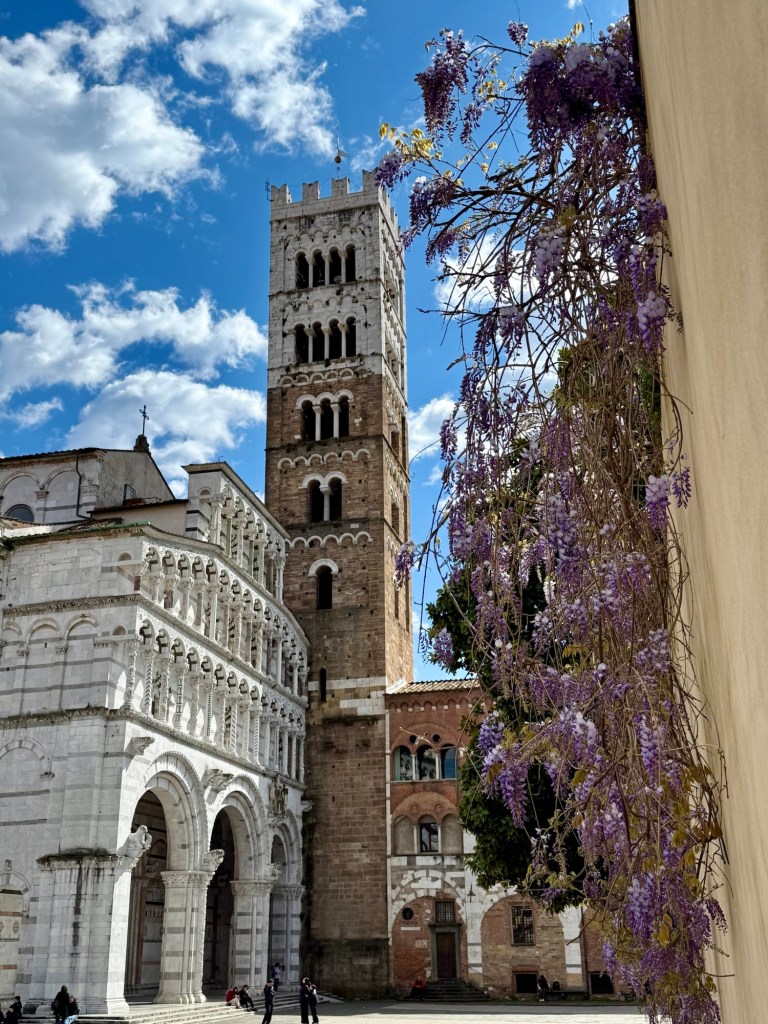
SPRING AWAKENINGS
In that spirit, as I move through my sixth year as an Italian resident (Evviva! Hurray!), I present to you this series, hoping the name conveys the true appreciation and gratitude I feel for the place I call home.
This is the time of year when my inbox usually chimes with notes from friends and strangers alike requesting “pro tips” for their dream Italian vacay. Since writing “3 Days in Lucca, Italy” for my Travel Secrets column way back in 2015, messages have arrived requesting my thoughts on whirlwind itineraries:
We’re “doing” Venice, Florence, Rome, and the Amalfi Coast in 6 days! (Like it’s a badge of honor). Can you recommend some authentic experiences?
I never hesitated to authentically make this recommendation:
Damn it, slow down! Please!
Porca miseria, va più piano! Per favore!
Like what I did there, teaching you some Italian curse words? Pro tip: Rehearse the last bit to repeat when someone speaks to you in rapid-fire Italian. Più piano, per favore! And the last, last bit for using all day, every day.
Per favore.
Because adding “please” in any local language increases your travel-joy-quotient immeasurably.
Believe me, I understand the desire to see and do it all. Time is precious, resources are limited, I get it. But (insert heavy sigh)…
More often than not (which translates as always), this gobble-up mentality leads to exhaustion, irritation, and missed opportunities. How can you truly experience a place with one foot already in motion, ready to mad dash toward the next?
I’m happy to report that, though I have been receiving fewer queries this year, those who are planning to travel seem determined to engage in more meaningful and mindful ways. Hello, silver lining!
Let’s begin this series with one of my favorite times in Italy:
Spring // La primavera
I’m not here to claim the weather will be perfect in March, April, May, or even early June. In fact, as I write this note to you on a early April morning, I’m snuggled in a bathrobe over my street clothes to keep warm – like most old Italian homes, it’s chillier inside my house than outside. What I can tell you is it’s highly unlikely that you will feel as if your skin is melting into a puddle around your feet on a hot sidewalk (Hello July, I’m looking at you).
Another certainty is, along with unpredictable weather, spring brings unparalleled beauty. As viscerally as you feel the freshness in the air, you can also sense it in attitudes. Locals aren’t (yet) worn out and weary from the crush of summer tourism. And a spirit of renewal sweeps across lush, green landscapes as joy (gioia) floats in the wind.
With milder temperatures, fewer visitors, and more availability (which often results in less expense), spring is a swell time to experience the wonders of Italy’s diversity, from the snow-capped mountains of Trentino to Sicily’s cool blue waters.
The key to spring travel is to pack for transitions and think in terms of layers. A light rain jacket and compact umbrella are essentials, along with a flexible attitude. Prepare to pivot, based on conditions, and embrace the notion of rain days. What better excuse to fill your waking hours with museum visits, dips into a local bookstore, leisurely lunches, and afternoon naps?
For most of you, I realize that this crisis-fueled year does not present the ideal time to travel, and that’s why this story isn’t intended for immediacy. In fact, the most important lesson that the beautiful country (Il Bel Paese) teaches us, again and again, is the elegant necessity of patience.
This story is to plant seeds for a brighter future. To be evergreen and offer inspiration for years to come.
See you in Italy, some fine spring day?
Take time to smell the flowers.
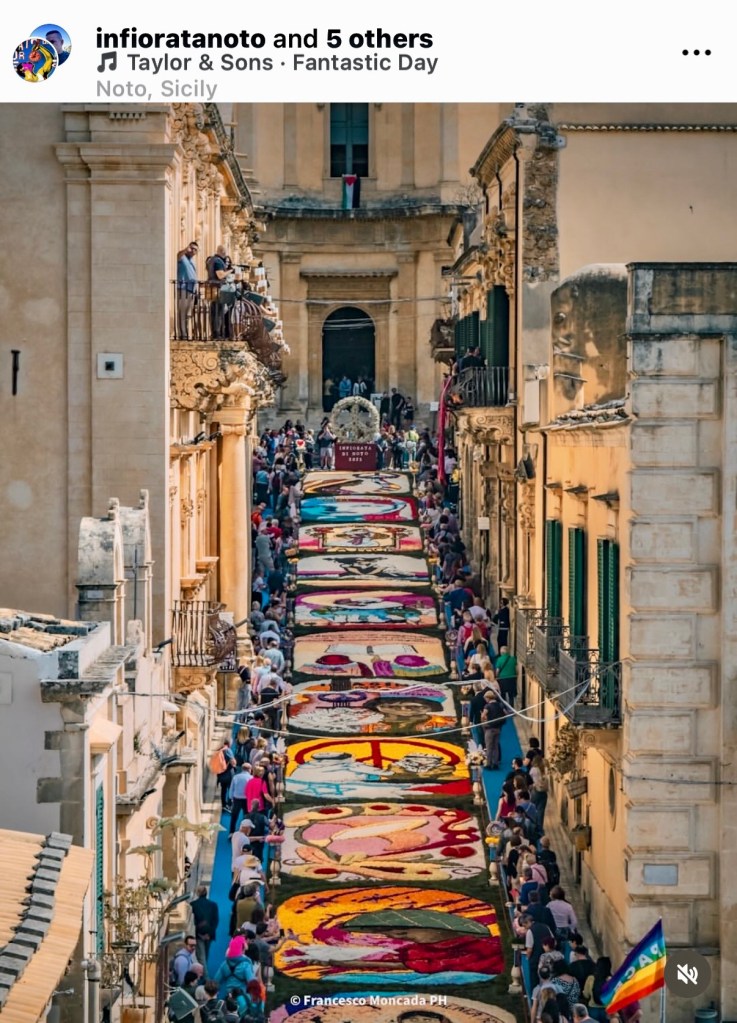
From the purple wisteria of Lake Como to Sicily’s lemon and orange blossoms, Italy’s boutique boasts much more than the iconic sunflower. With characteristic gusto, Italians celebrate this bounty with events showcasing the flowers of spring, none more spectacularly than the centuries-old tradition of the Infiorate. During these flower festivals, teams of artists and locals cover city streets with elaborately designed “carpets” made from petals, seeds, and stems.
One of my favorite Italian experiences has been participating in Le Infiorate di Spello by helping a neighbourhood team to separate and prepare petals, then strolling the streets late into the evening to witness as artworks bloom. The most famous flower festival, Infiorata di Noto in Sicily, takes place in May, while Spello’s event is typically held in early June. (Geek out alert: For those of us studying Italian, Infiorata is the singular meaning one display or festival, with Infiorate being plural. The two festivals I reference here have chosen different paths for their names. Quanto interessante, si?)
Closer to my home in Lucca, the arrival of spring is synonymous with a visit to the exquisite gardens of Villa Reale, a vast estate once owned and carefully restored by Elisa Bonaparte Baciocchi, Napoleon’s sister, during her time as Princess of Lucca. Today, we can still enjoy the major works she initiated to transform the gardens into some of the most beautiful in Tuscany.
Most notably, Spring brings us the annual Antiche Camelie della Lucchesia, a month-long March celebration of ancient camellia paths meandering through the tiny villages of Pieve and Sant’Andrea di Compito, and continuing to Villa Reale’s two camellia avenues, featuring over 70 ancient plants. Fun tidbit: Did you know that Italy’s first tea plantation is located in this area? During the festival, you can visit the plantation and learn more about how Guido Cattolica, an expert in camellias, worked to develop a cold-tolerant strain to survive the oft-frigid Tuscan winter.
If flowers are your passion, believe me, this is only scratching the soil’s surface. There’s Lucca’s outdoor fair VerdeMura, showcasing the green goodness of over 150 vendors, Florence’s famous Iris Garden near Piazzale Michelangelo, and Rome’s TuliPark featuring a pick-your-own tulips extravaganza.
Do you have a favorite Spring flower event? Let me know, and I’ll include it here!
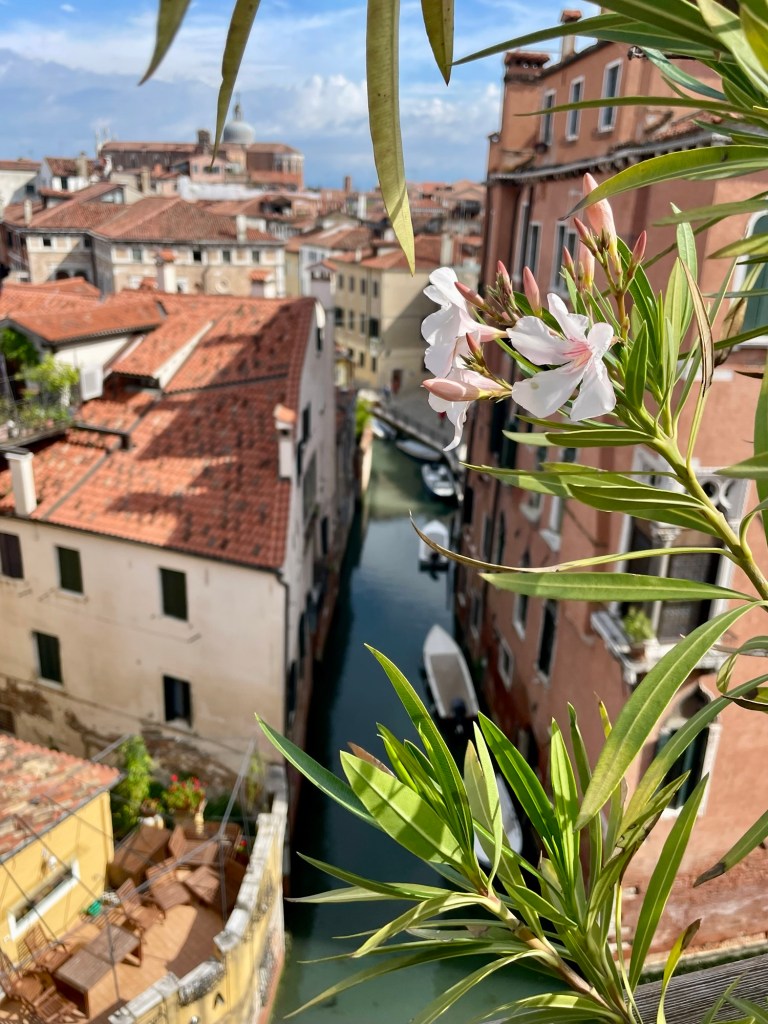
Savor the sweet celebrations of Easter.
Easter // Pasqua is one of Italy’s most revered holidays, second only to Christmas // Natale for traditions and celebrations. Bakeries buzz with anticipation, and everyone has a favorite place for lemon-and-anise cookies.
Local proprietors showcase their artistic flair through shop windows that rival the finest art galleries for creativity and ingenuity. Leisurely strolling, sampling, and shopping is the delicious cream filling in the Italian Easter chocolate egg.
On Easter Sunday, families gather for a grand feast featuring traditional dishes such as roast lamb // agnello and colomba di Pasqua (a dove-shaped sweet pastry with almonds and dried fruit). The following day, Easter Monday // Pasquetta is a time for picnics and outdoor excursions to celebrate the country’s glorious natural resources (more on this topic below).
Going south to Sicily for particularly extravagant processions in Palermo and Trapani, or venture north into Trentino-Alto Adige/Südtirol for Italy-meets-Germany Easter markets and fairs like in the picturesque northern village of Vipiteno.
What’s your favorite Pasqua tradition in Italy?
Experience Italy’s famous sands sans crowds.
Growing up in southern Alabama near the Gulf of Mexico (<<<always, forever), I was accustomed to fine white sand beaches stretching for miles. ‘Beach days’ meant plopping your blanket and cooler higgly-piggly in the sand, no semblance of rules or structure.
I’ll admit it took time to come around to the predominant Italian notion of ‘beach day’ with beach club establishments (bagni for plural; bagno for singular) taking over the sands, offering organized rows of loungers and umbrellas for a fee, from late May until mid-September. Please note, there are free beaches in almost every seaside community, even in summer, but for many reasons, I am now a convert to the beach club!
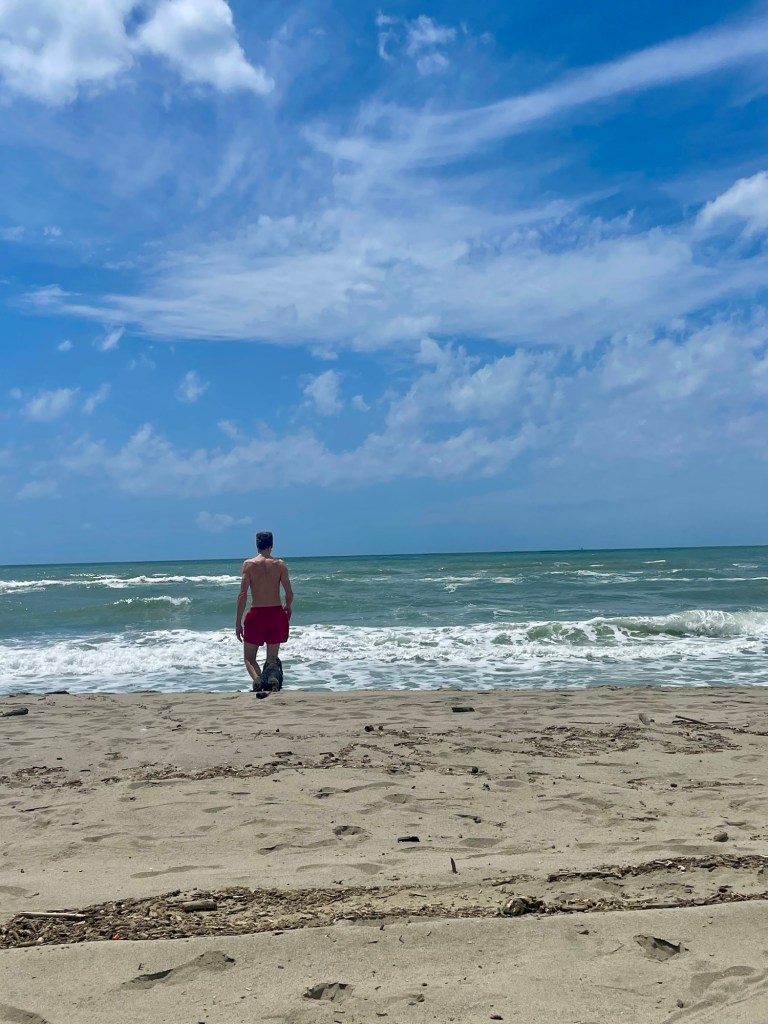
I look forward to my favorite bagno opening in late May, yet I also savor the coast in springtime when the sun is hot, and sands are completely free and open. You can walk for miles, play a game of volleyball, let your pup run free, and go all higgly-piggly with your blanket. It’s also a great time to visit the country’s island paradises, such as Sardinia, Elba, Ishia, and Capri.
Fun tidbit: Did you know that Italy has over 5,000 miles of beaches? This calls for exploration, si?
Immerse yourself, body and soul, into local culture.
Italians aren’t only passionate about food and wine. Cycling and hiking are woven into the national tapestry, with nearly every town having dedicated clubs for group walks and rides (pro tip: Facebook still seems to be the preferred place for event announcements for these types of groups and respectful visitors are always welcome).
You could plan your entire trip around hiking sections of the famous Via Francigena pilgrimage route, which begins in Canterbury, England, and ends in Rome, or following along the route of cycling’s celebrated Giro d’Italia.
Italy’s Liberation Day, a national holiday on April 25, marks the end of the Nazi occupation and Fascist regime in 1945. It’s a meaningful time to walk or pedal through the important WWII sites featured on Liberation Route Italy.
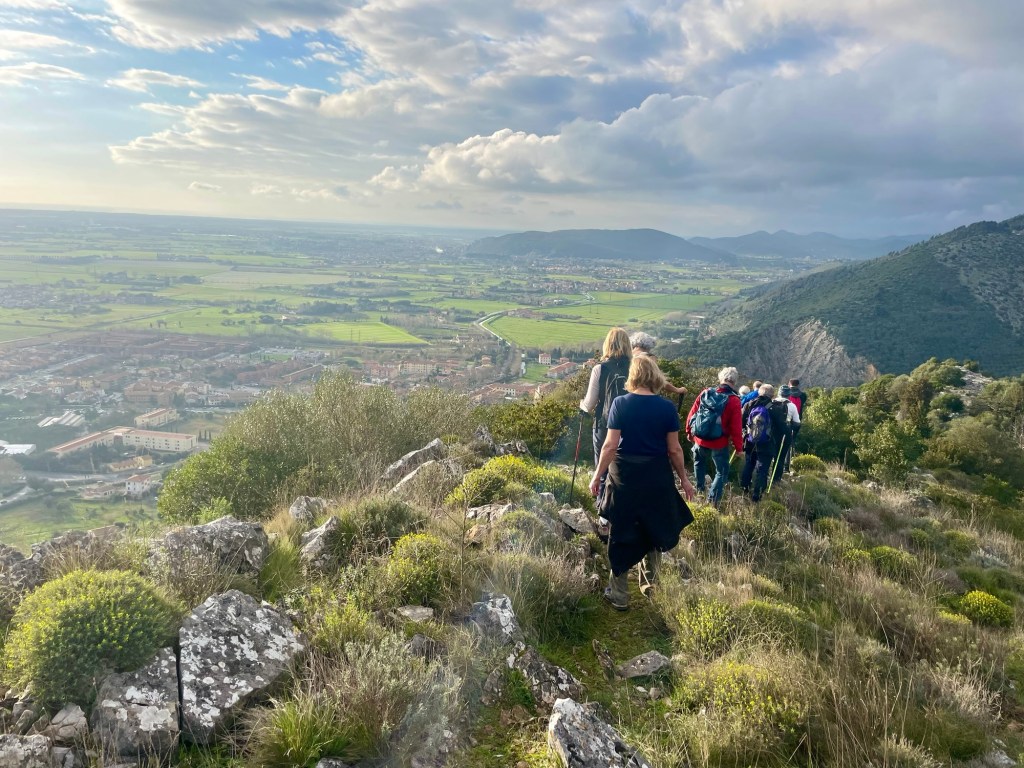
While Passegiata, the nightly ritual of strolling through town to salute friends and neighbors, is a blessed year-round occurrence, these days there is a spring in everyone’s step, literally, as cities come to life again after the short, rainy days of winter. Just remember to pack layers for your evening strolls, as in most parts of the country there can be significant temperature fluctuations as the sun bids arrivederci on the day.
Taste the revolutionary simplicity of KM 0.
Eating with the seasons is more than a passion in Italy; it’s the very foundation of life. And spring menus burst with delights like white asparagus, wild strawberries, and artichokes.
I’ll never forget the lunch in a top-notch Lucca restaurant when I overheard a woman ask for tagliatelle with porcini. She became infuriated when the server told her that porcini are not in season in early spring, thus not on the menu. As she left the restaurant in a huff, I felt pity realizing that she didn’t grasp anything about Italian culture. Simple, seasonal, local, that’s the holy trinity / soffritto.
The best ways to pursue an education in seasonality are also the most enjoyable and tasty. Anchor your entire trip around a cooking class in Bologna or a street food tour in Venice. Bypass the grocery store produce aisle and opt for supporting neighborhood fruit and veg shops for a masterclass in selecting the finest and freshest ingredients.
There are also plentiful spring food festivals, known as sagra/sagre, with celebrations including the Sagra del Carciofo (Artichoke Festival) near Rome and Tuscany’s Lari Cherry Festival.
With a dash of seasonal savvy, you’ll never read a menu the same way again.
Awaken your inner sommelier.
Visiting Italy during La Vendemmia, the late-summer/fall wine harvest, is a dream for wine lovers. But true aficionados also appreciate witnessing as vineyards awaken after the essential winter rest. Anticipation grows as the world’s largest wine trade fair Vinitaly comes to Verona in April and, throughout the country, May brings Cantine Aperte (Open Cantinas) when wineries from Trentino to Calabria open their doors on select dates for vineyard tours and tastings.
Mid-April through early June is a great time to experience famous Italian wine roads without the tourist traffic jams (sometimes literally). Imagine exploring Prosecco Roads from Conegliano to Valdobbiadene on the calm. Or weaving through the countryside of Chianti without tour buses blazing past in narrow curves.
I always recommend venturing further afield to premier wine routes such as the 90-kilometer path through the Franciacorta lands in Brescia or the exquisitely wild Maremma wine country in southern Tuscany, featuring the wonderful Maremma Wine and Food Shire event in late spring.
Celebrate the special occasions.
Every day you’re in Italy is a special occasion, right? I agree completely, and bonus: spring brings a few extra-special occasions. Take, for instance, New Year’s in Florence // Firenze! The ‘Cradle of the Renaissance’ still celebrates the beginning of a new year based on a medieval calendar. How Italian is that?
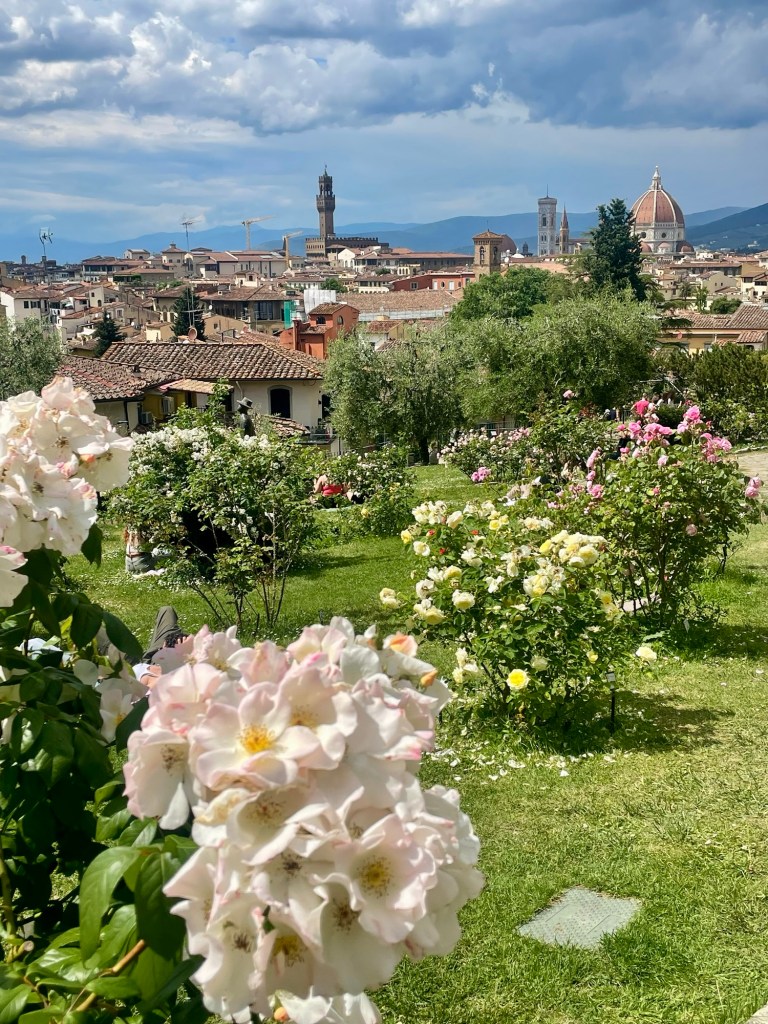
Tradition went that a new year began on the Feast of the Annunciation. Though the Gregorian calendar took over in 1750, the city still celebrates Settimana del Fiorentino // Florentine Week around March 25 with parades and events.
And thanks to Italy’s National Trust (FAI), for two days in spring (Giornate FAI di Primavera), the public is granted access to 750+ landmarks that are normally closed. From castles and historic villas to hidden gardens and grottos. For lovers of history and architecture, this is a true feast!
Delight in everyday moments.
Brace yourself for this profound pro-tip: To feel the true essence of Italy, all you need to do is…
Sit.
On a bench.
In the sun.
And watch as the world unfurls around you.
There’s no better way to understand the endearing allure of Italy than to be still and breathe in the beauty.
And chances are you won’t be alone in this silent observation and meditation. Italians are social by nature, and after months of being inside, huddled by the radiator, city squares and parks once again become gathering spaces for connecting and sharing with old and new friends, bound together by spring’s sweet anticipation of all that is to bloom.
Cheers and saluti to planting seeds and the beauty to come!